
Famlink
Bridging distance and building empathy between people via a time keeping wearable
Client
Hochschule fur Technik und Wirtschaft Berlin
Wearable Studio
Duration
3 months (2018)
Role
Design Research, Interaction Design, User Interface Design, Industrial Design
Actions
Planned 1 on 1 interviews
Organized stakeholder maps
Extracted insights from qualitative data
Designed questionnaires
Sketched concepts
Created 3D models
Rendered product images and animations
Planned application map
Built wire frames
Constructed low and high fidelity prototypes
Team
Personal Project
Project Links
Opportunity
Today, we are living in a world where loved ones can easily work and live further apart. When living apart, It is hard to orient to each other’s time zones and schedules. How can a wearable experience solve this?



Stakeholder Interviews/Findings
A problem space such as this would touch almost all types of users demographically. It is hard to define roles as everybody has different interchangeable roles in life. To focus interviews, I decided to center around the primary long distance user and their immediate family. I was able to conduct interview sessions with 4 international student who were actively dealing with long distance communication. A semi structured interview guide was built and I set up meetings with the main participants as well as included family or friends.


Insight 1
Make the device effortless to read. Users should not have to memorize "time math"

Insight 2
Add a unique sensory interaction. Losing physical connection is a big thing that can not be replaced.

Insight 3
Keep the device simple and focus on its task. People are already bombarded with social tech
Time Communication Questionnaire
How can a human read time effortlessly? We evolved to instinctively notice the behavior of the sun to tell time. However, sunrise and sunset can sometimes look similar. How do you distinguish between the two? To gain insight in how to best communicate time by light, I designed a questionnaire for my interview participants to complete. Each participant answers a couple open ended questions. Then they needed to articulate a preferred communication method from color and light intensity.

Effortless readability
From the survey results, participants mentioned following the circadian rhythm as inspiration. In addition, the majority of participants chose breaking up the evening hours into two colors while scaling the light intensity with someones sleep schedule. This would be customizable per user.

Dim
Bright
Bright
Dim
Off
Off
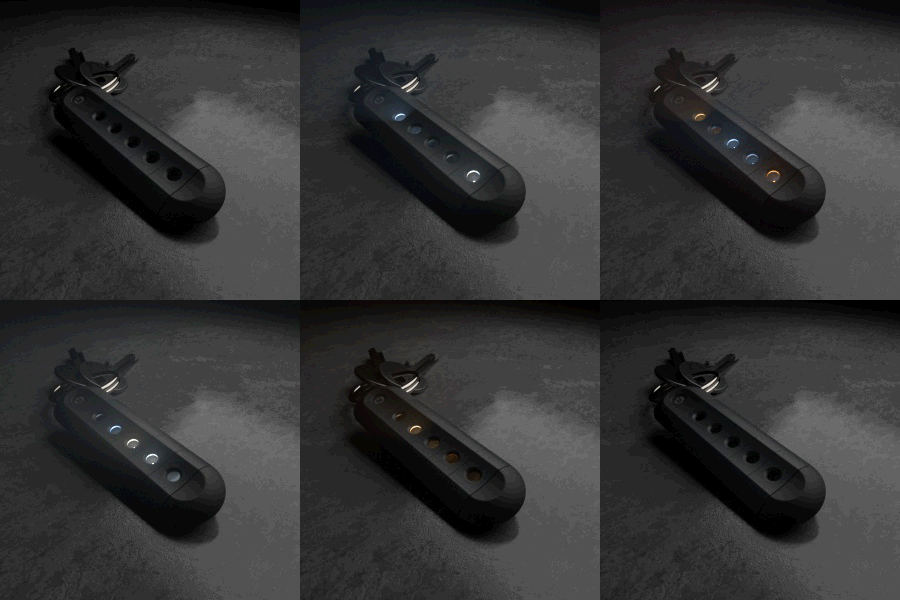
Identifying users with sensory connection
Each unit is divided up into user ID “links”. These links clip over top of a corresponding light profile. To incorporate the lost sense of physical touch, links will have unique textures, colors, and features representing the users.


Mobile Companion App
To keep the hardware device simple, a companion app needed to be built to handle set-up and occasional edits.

App Map

Wire frames

Prototype
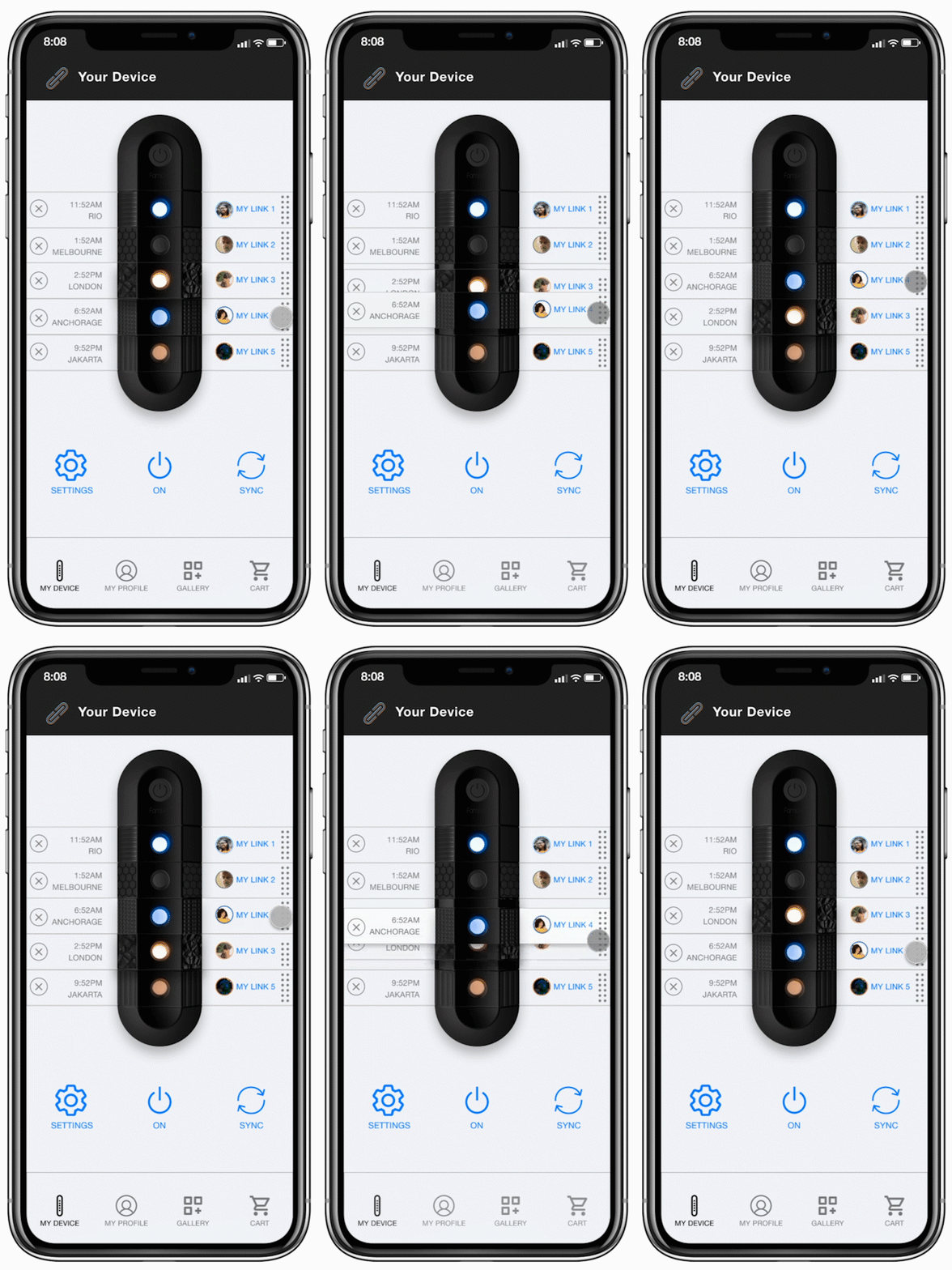
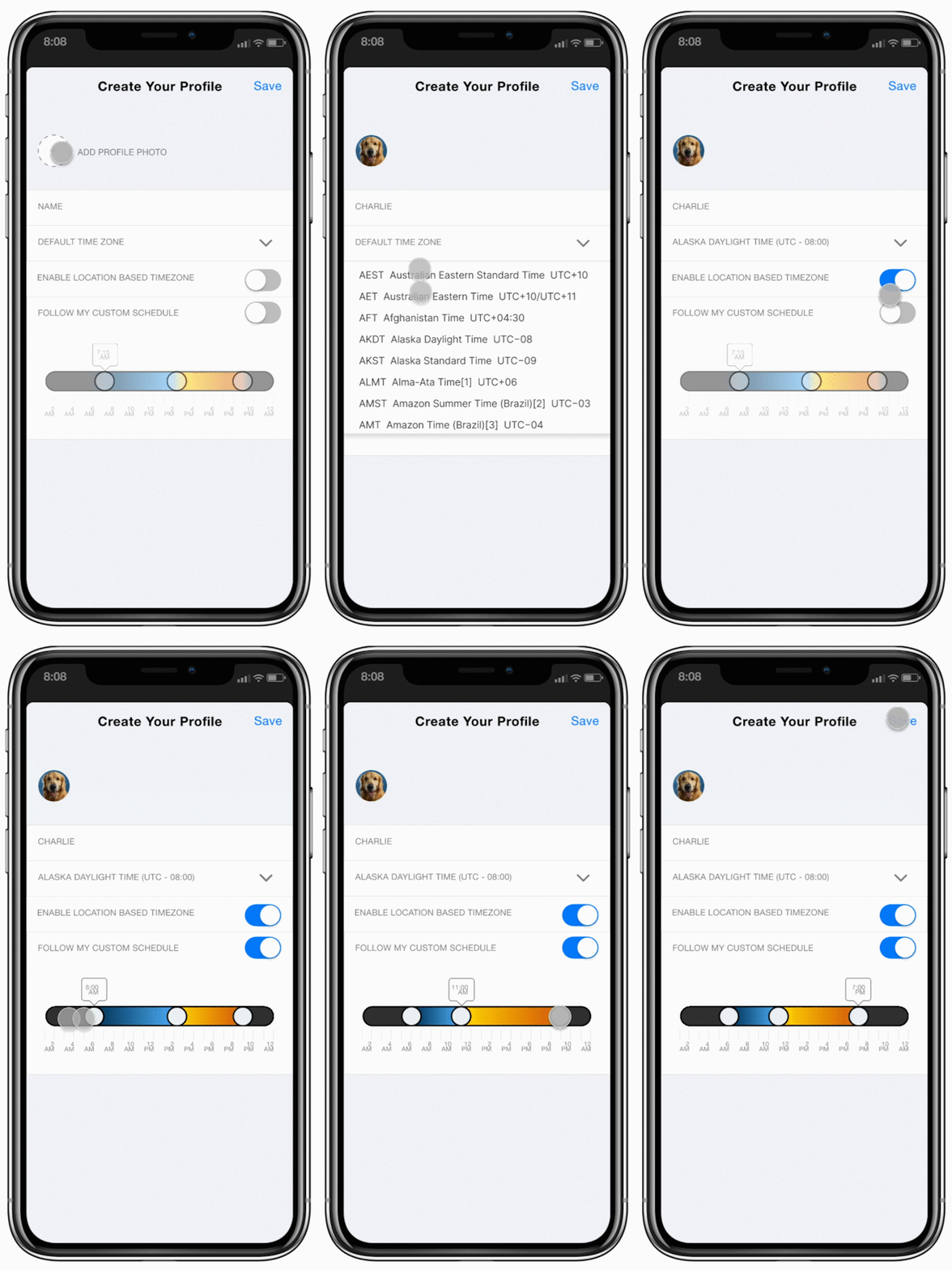
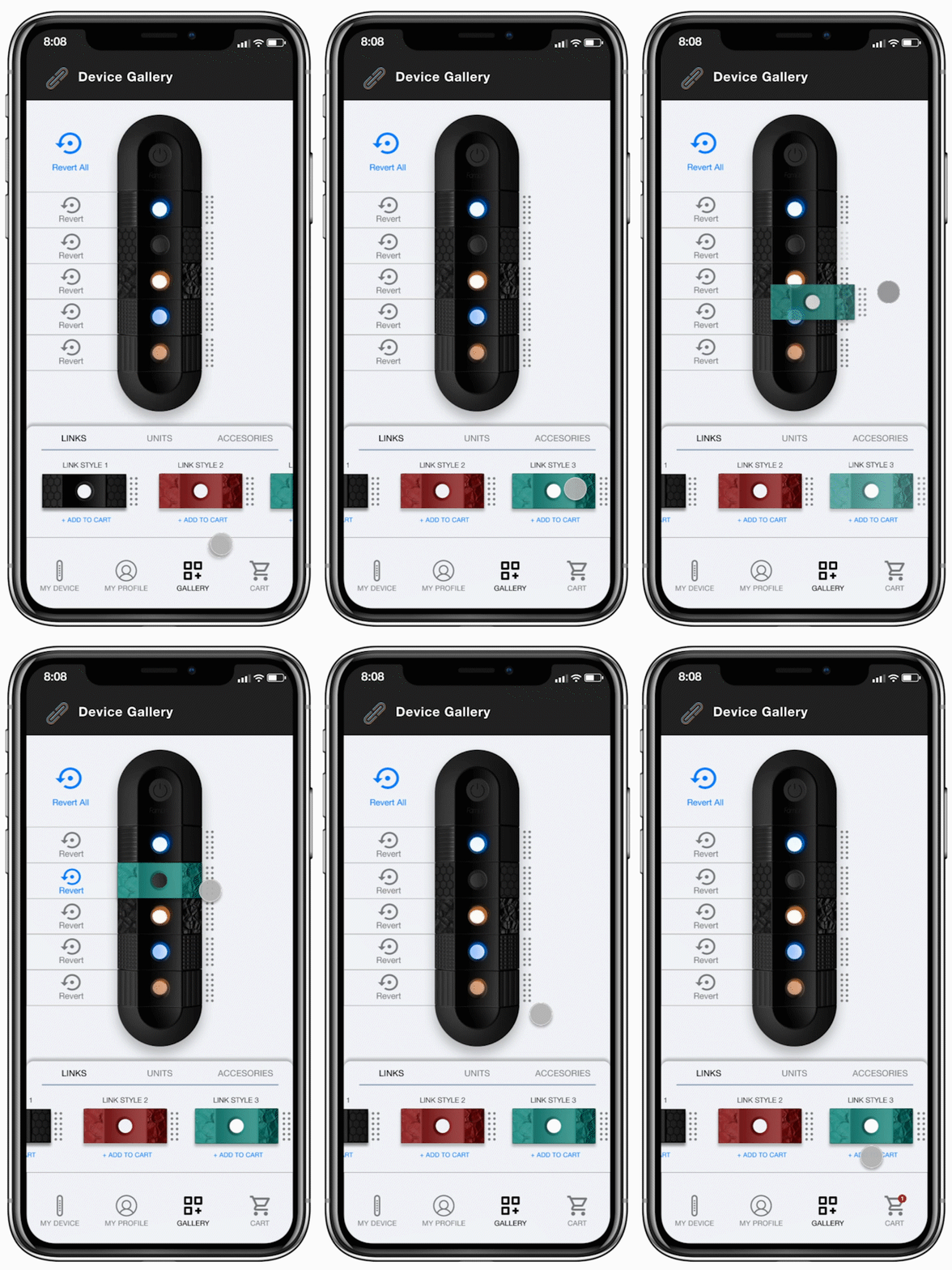
Users can edit and program their device from the home screen. Digital links can house existing or custom user profiles. Famlink profiles input user's preferred schedules. Customizing your Famlink can be further explored in the device gallery.
Device Control
User profiles
Shopping


View more work
